Tropical Valley Ecosystems & Heritage Plots
Heritage fermentaries along the transition to Amazonia
There are two main families of native cacao in La Convención: Chuncho and VRAE, originating from two distinct valleys of the region. The Chuncho family grows along the Urubamba Valley, while the VRAE family grows along the VRAEM basin. Both native cacao families have won numerous international cacao and chocolate awards, and can be prepared with complex, layered flavor profiles. In addition to these native varieties, commercial hybrids (such as CCN-51) are also grown in the region at lower cost, though they lack the fine flavor complexity and standardized post-harvest protocols of native varieties. Brief summary from a 2026 research paper →
Native Cacao Family Comparison
Chuncho vs. VRAE: Choose the right native bean for your chocolate profile and scale
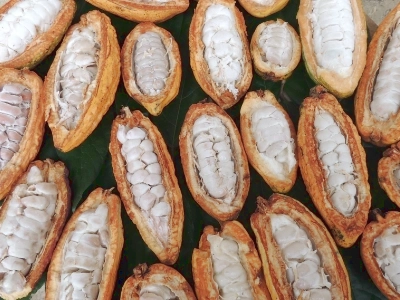
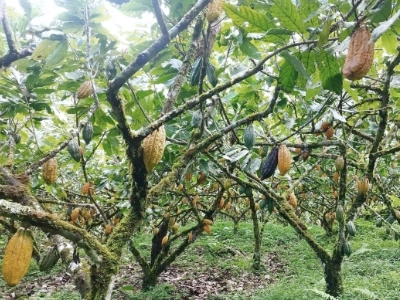
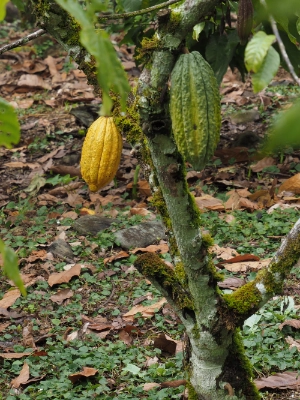
Representative pod examples. High genetic diversity within each lineage yields diverse pod shapes, colors, and flavor notes.
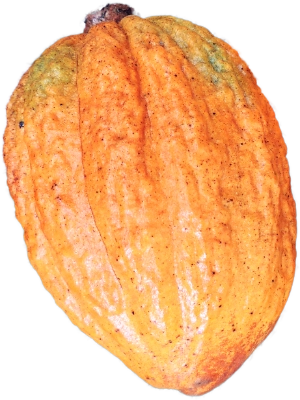
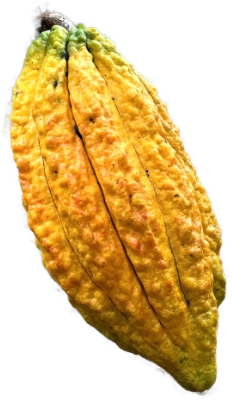
Representative pod examples. High genetic diversity within each lineage yields diverse pod shapes, colors, and flavor notes.
| Characteristic | Chuncho Family | VRAE Family |
|---|---|---|
| Harvest Time | One harvest a year, between January and March. | Can produce cacao pods year-round; peak harvest is around June. |
| Production Quantity | Low (< 1 ton/year per producer; boutique / not for mass production). | Moderate. Scalable for sourcing multiple tons of consistent high quality. |
| Key Varieties | Chuncho Común, Chuncho Señorita, Chuncho Blanco | VRAE-99, VRAE-15, VRAE-52, Bella Vista |
| Best Suited For | Artisan Bean-to-Bar, competition bars, complex floral & fruity notes | Scalable specialty chocolate lines, consistent rich chocolate body |
A Note on Commercial Hybrid Cacao (CCN-51)
In addition to native varieties, different types of hybrid cacao (such as CCN-51) are grown in the region. Hybrid cacao typically costs less than native varieties and lacks standardized post-harvest workflows. We can supply hybrid cacao year-round upon request, with optional controlled fermentation to meet your target specifications.
Cacao Sourcing Service
Flavor-profile matching, custom formats & international regulatory compliance
Based on the target flavor profile you are looking for, we source and prepare cacao in the exact format you need: a. Fermented Cacao Beans, b. Pure Cacao Paste (100% Mass), or c. Cacao Derivatives (Nibs, Butter). Depending on your destination country's food safety regulations, export and import procedures vary — we handle documentation, phytosanitary clearance, and logistics compliance for you. Cacao Products & Derivatives →
a. Fermented Cacao Beans
Sun-dried native cacao beans with controlled fermentation profiles in GrainPro bags.
b. Pure Cacao Paste (100% Mass)
Stone-milled directly at origin from pure native beans in solid blocks for chocolate manufacturing.
c. Cacao Nibs & Derivatives
Raw or roasted nibs, cacao butter, and custom derivative forms tailored to order.
Guaranteed B2B Specifications
- ✓ 100% native cacao
- ✓ Meticulous fermentation protocols
- ✓ Special micro-lot can be available upon request
- ✓ Full transparency
📦 Regulatory Compliance & Testing
We accommodate specific laboratory testing based on your destination country's import regulations. For example, while cacao from the Cusco region is not known to have issues with excessive cadmium, we can facilitate official heavy metal and phytosanitary testing prior to export to ensure complete compliance.
Cacao Sample Request
Define your target sensory profile and processing parameters. Our post-harvest team will select and prepare a matching 2 kg micro-lot sample from our seasonal harvests.
Caocao bean sample request
Julio
1. Target Sensory Chemistry (1 — 5 Profile)
"Must be robust and deep to carry high 80% cocoa solids without muddying top notes."
"Bright, lively citric/malic fruit acid to keep the heavy 80% bar refreshing."
"Natural ultra-low bitterness is critical to make an approachable 80% bar without alkalization."
"Silky, velvety mouthfeel required with minimal drying puckering effect."
2. Target Aromas & Specific Trait Selections
3. Formulation & Roast Protocol
Application: Single-Origin Dark Chocolate (70%+) — Formulating an un-alkalized, 2-ingredient 80% single-origin dark chocolate bar (80% cacao nibs, 20% organic cane sugar).
Roast Philosophy: Light Roast — Extremely gentle, rapid convective roast (~118°C drum peak) to protect delicate soursop esters and jasmine monoterpenes.
Chocolatier's Sensory Rationale: Because an 80% dark chocolate has very little sugar to mask defects, we require a bean with a naturally smooth base and expressive top notes that pierce through high cocoa solids without chemical alkalization.
2. Tree-to-Bar Chocolate Design
Tailored fermentation & post-harvest workflows at the farm
For craft chocolate artistis. During the harvest season, we can modify the post-harvest fermentation and drying workflow according to your exact specifications to achieve the specific flavor you want and process it into your chocolate. Understanding Fermentation Parameters →
Post-Harvest Customization Studio
Modify fermentation duration, turning schedule, and drying speed to develop a proprietary flavor curve.
Cacao Harvest Calendar
Plan your green cacao purchasing and post-harvest windows across the year
Chuncho Native
JAN — MARSingle annual harvest. Reserve early for micro-lots and artisan bean-to-bar projects.
VRAE Native
PEAK IN JUNEYear-round pod production with peak harvest in June. Ideal for scalable volume consistency.
Hybrid Cacao
YEAR-ROUNDCommercial hybrid pods available year-round upon request.
Sourcing Trips & Origin Audits
Deep origin audits for chocolate makers and green buyers seeking direct transparency
Visit different producers and learn about how they grow and process cacao. During the harvest season, you can do all the post-harvest work yourself, from fermentation, drying to sorting. To gain full control of your chocolate flavor profile
- ✓ Native cacao hunting: There are still wild native cacao deep in the rainforest, Let's go and find them!
- ✓ Fresh Tasting & Local Food: Sample fresh cacao pod pulp and enjoy authentic rainforest farm meals
- ✓ Local Culture & Ecosystem: Learn about La Convención deep history and traditional cacao farming traditions