In this article we will go through the life cycle of cacao step by step to get a brief understanding of all the cacao derivatives.
1. Harvesting the Pods
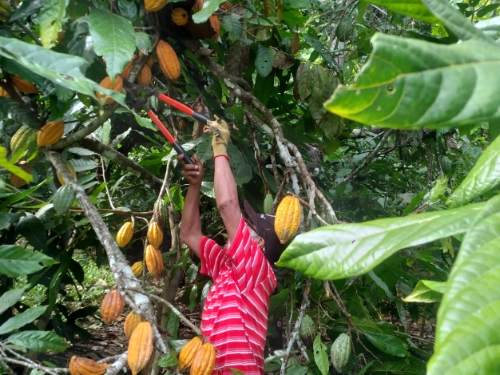
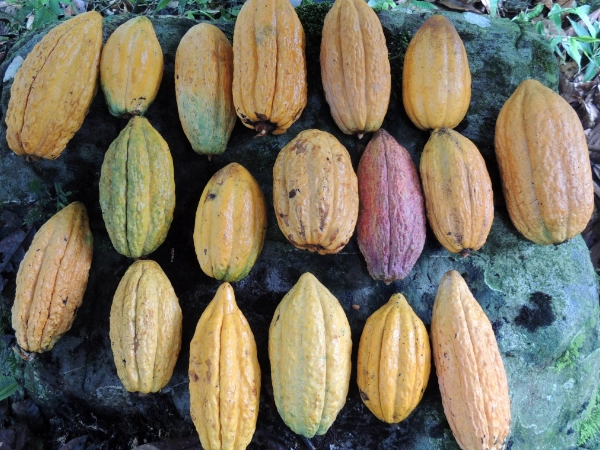
It all starts on the cacao tree. Farmers carefully hand-pick ripe cacao pods using sharp tools so they don't damage the tree. Picking pods at just the right time is super important; if they're picked too early or too late, the chocolate won't taste as good!
2. Resting the Pods
Before opening the pods, farmers often let them rest for a few days. This simple step helps reduce extra moisture and sugar inside, which prevents the beans from tasting overly sour or bitter later on. Normally, the native cacao has a good balance of flavors, so they don’t need to go through this step. Commercial cacao might benefit from this.
3. Opening the Pods
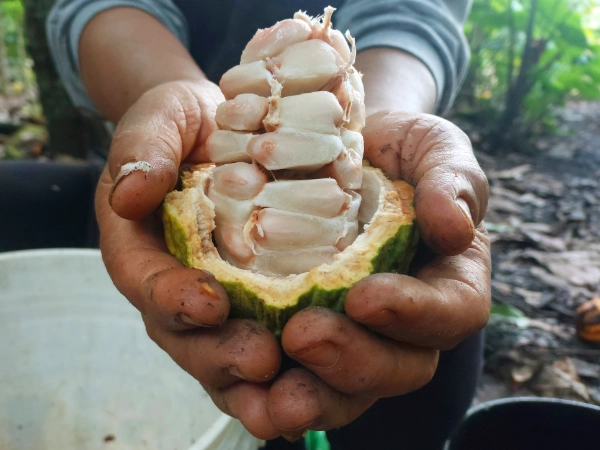
Next, the tough outer husks are gently split open by hand. Inside, you'll find wet cacao seeds covered in a sweet, sticky white pulp. Workers scoop these out carefully to avoid nicking or damaging the seeds. At this stage, it is essential to sort through the beans to discard any that are damaged or defective, then carefully grade them according to their size.
4. Fermentation
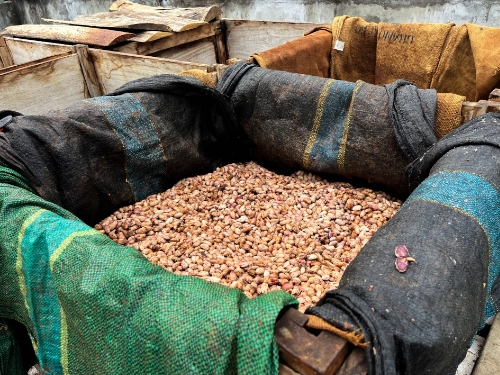
The wet beans and pulp are placed into wooden boxes or covered piles for several days. Each origin has its own methods and protocols. Natural yeasts and bacteria break down the sugars, decrease astringency and bitterness, and finally develop the traditional chocolate taste.
5. Drying the Beans
After fermentation, the beans are still very wet and sour. Farmers spread them out in the sun for about a week, turning them regularly. Drying stops the fermentation and removes harsh acidic flavors. It’s advised to control the drying curve and the maximum temperature.
6. Roasting
Once shipped to chocolate makers, the clean beans are roasted in warm ovens. Roasting sterilizes the beans and brings out complex chocolate aromas. It also makes the outer shells dry and brittle so they pop loose easily. In general, commercial-grade cacao often undergoes a darker roast, whereas native cacao is typically roasted lighter to preserve its delicate profile.
7. Cracking and Winnowing
The roasted beans are crushed to break them into small pieces. Then, fan air blows away the light paper shells, leaving behind pure, crunchy bits called cocoa nibs.
The cacao nib is the first derivative in the line.
8. Grinding and Refining
The cocoa nibs are slowly crushed between heavy granite millstones. As they grind, the natural cocoa butter inside melts, turning the solid nibs into a smooth, liquid paste called cocoa liquor.
The cacao liquor is the next derivative in the line. This is usually sold as solid blocks for making chocolate or other chocolate-related products.
When processing cacao liquor through a hydraulic press, it physically splits into its two primary components: cacao butter and solid cocoa press cake, which is then pulverized to make cocoa powder.
9. Conching
Next, the chocolate paste is continuously kneaded, warmed, and mixed for hours or even days. This polishing step lets remaining sour notes escape, rounds out harsh edges, and coats every microscopic sugar particle in creamy cocoa butter for a melt-in-your-mouth texture.
10. Tempering, Molding, and Packaging
Finally, the liquid chocolate undergoes a precise warming and cooling process to stabilize the cocoa butter crystals. The tempered chocolate is then poured into various molds to set, then wrapped and packaged for you to enjoy.
Main Cacao Derivatives:
- Roasted cacao bean
- Cacao nib
- Cacao powder
- Cacao butter
- Cacao block / Liquor