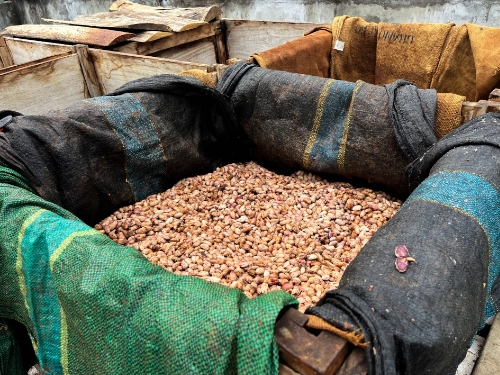
Peru is widely considered the origin of cacao, making it the perfect destination for cacao hunting. Every producing region boasts its own native varieties, some are already commercialized, but most are still waiting for someone to bring them to market. Let me take you to La Convención to show you how we can search for native cacao.
There are generally two ways to hunt for these hidden gems: searching for a specific, exceptional tree within a cultivated farm, normally these cacao is used to prepare lots specifically for competitions. Another way is tracking down a stunning tree out in the wild, whether in a nature reserve or on uncultivated land.
The Farm Hunt
When hunting for special cacao on cultivated land, you are looking at the ongoing work of local farmers. Normally, when farmers work with the local Chuncho cacao, they grow the trees from seeds in their nurseries. They start by selecting seeds from trees that produce good cacao, prioritizing the offspring of these mother trees in an attempt to refine the characteristics they like.
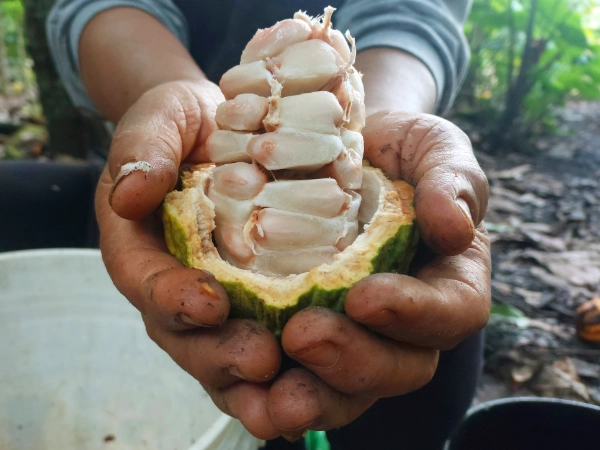
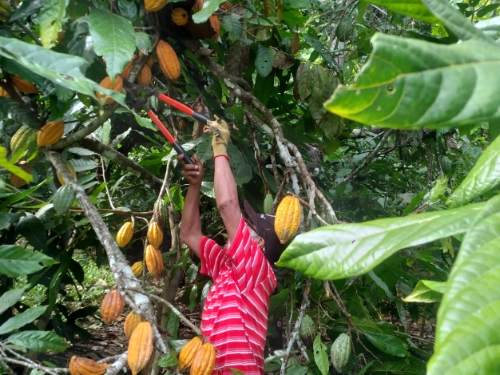
Because this type of human selection takes generations to yield something truly fascinating and stable, the probability of finding something outstanding is low. However, there is a high chance that every farmer has their own favorite, prized trees. If you visit during the harvest season, they will proudly show them to you and even let you taste the fruit. Learning the stories behind these specific trees is the most interesting part of the farm hunt.
The Wild Hunt
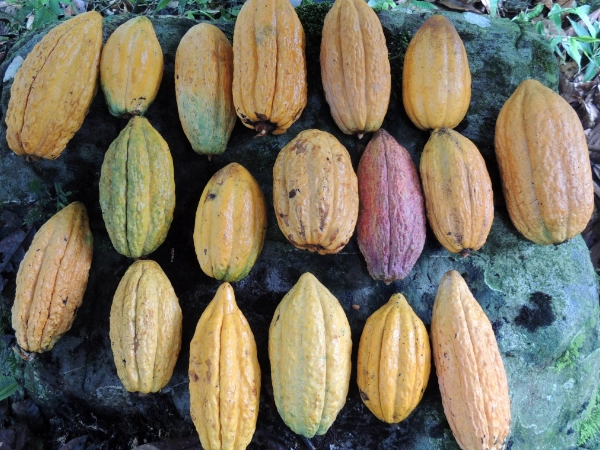
Then, there is the wild hunt, where we search for cacao that has been through natural selection. In other Peruvian cacao regions, cacao hunters might navigate waterways by ferry to spot colorful pods on the riverbanks during harvest season. But here in La Convención, the rivers aren't as navigable by ferry, meaning we must hunt on foot, or motorcycle.
The first step is talking to local farmers familiar with the area. They often remember spotting vibrant cacao pods in the wild and can help us arrange a trip based on their leads. Always talk to local people about the intention and get permission from them.
Most of the time, these wild cacao trees will be spotted near indigenous communities. These are the people who domesticated the yummy Chuncho a long time ago. Unlike the organized cultivation seen by indigenous groups in Central America, their methods were informal: after eating the delicious pulp, they would simply leave the seeds in the forest not far away from their home and let them grow. Because of this, when you see cacao trees in the wild, there is almost always an indigenous community nearby.
Since these wild cacao trees are not heavily selected for modern human preferences, they display a wild array of shapes and sizes. The beans might be very small, or the mucilage incredibly sticky, or present traits that might make them a poor option for chocolate making.
All in all, the success rate of finding a wild tree that is actually useful for making chocolate is very low. Nevertheless, local chocolate brands still go out to find wild cacao every once in a while. Finding special cacao doesn't just add a distinct flavor to their product line, it also adds a captivating story to tell.
The Joy
Go to any cacao-producing region in Peru and ask the locals about native cacao. They will be happy to show you what they know and tell you interesting stories. Though the travel might be rough and a bit dangerous, I recommend every cacao lover do this: meeting the people behind this cacao is highly rewarding.