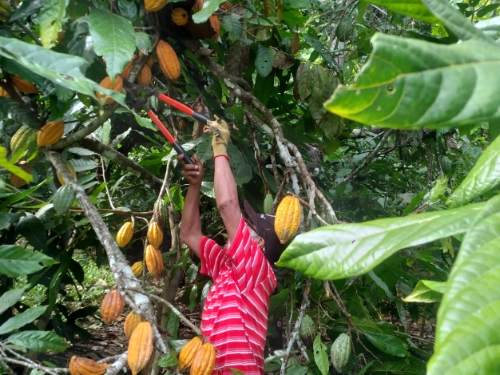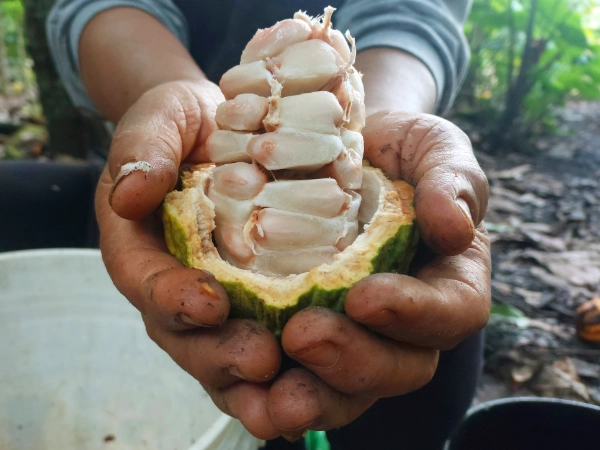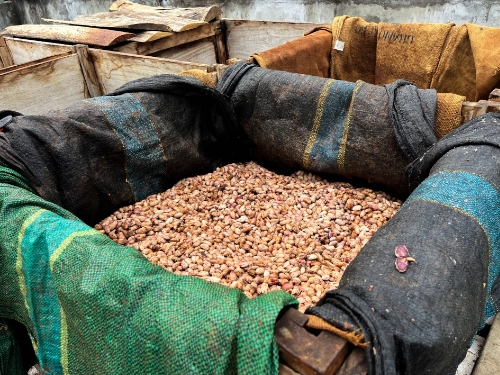
During fermentation, a mix of yeasts and bacteria eat the sweet pulp (mucilage) around the cacao seeds. This process creates organic acids, releases heat, and naturally ceases the seed's germination. The cell walls break down, allowing enzymes and proteins to mix and generate essential flavor precursors. Later during roasting, these precursors react to create complex chocolate flavors.
Here are the key parameters we can adjust to steer the fermentation process:
1. Fermentation Time
The time beans spend in fermentation boxes is the most direct way to choose between bright fruity notes and deep cocoa tones.
- The 96-Hour Peak: If you want fruity, floral, and bright chocolate, aim for approximately 96 hours of fermentation. At this point, the compounds that produce fruity and creamy flavors reach their highest concentration. (Always verify progression with cut tests).
- The 5 to 7-Day Deep Cocoa Window: If you want a rich, nutty, and strong chocolate flavor, ferment the beans for 120 to 168 hours. This extra time lets internal enzymes break down proteins into specific amino acids that yield intense roasted and nutty notes.
- The Danger of Over-Fermenting: Avoid fermenting past 7 days. Once pulp sugars are depleted, putrefactive bacteria and mold take over, breaking down fats and proteins into off-flavors like ammonia and rot.
Note on Native vs. Commercial Cacao: Native cacao varieties (such as Chuncho) typically require less fermentation time (around 4 days) due to lower initial astringency and polyphenol content compared to commercial clones like CCN-51 (which need 5–7 days).
2. Turning Frequency
Turning aerates the fermenting mass, introducing oxygen into the pile.
- Creating Complex Floral and Woody Aromas: Wait 48 hours before the first turn. Cacao pulp naturally seals out ambient air; leaving the pile undisturbed for the first 48 hours allows yeasts to convert sugars to alcohol anaerobically, generating sweet, floral, and delicate woody compounds.
- Balancing Acidity: Turn the beans moderately (e.g., at 48 hours and 96 hours) rather than constantly. Aeration feeds acetic acid bacteria; moderate turning permits volatile vinegar notes to evaporate while preventing excessive acetic acid accumulation.
- The Danger of Stagnation: Without turning, the outer layer stays cool and under-fermented while the interior suffers from oxygen starvation, leading to uneven batches, astringency, and mold.
3. Pulp Preconditioning (Pod Storage)
The sweet, wet pulp on fresh beans is the primary fuel for microbial fermentation. Some cacao varieties produce excessive mucilage, which can drive over-acidification.
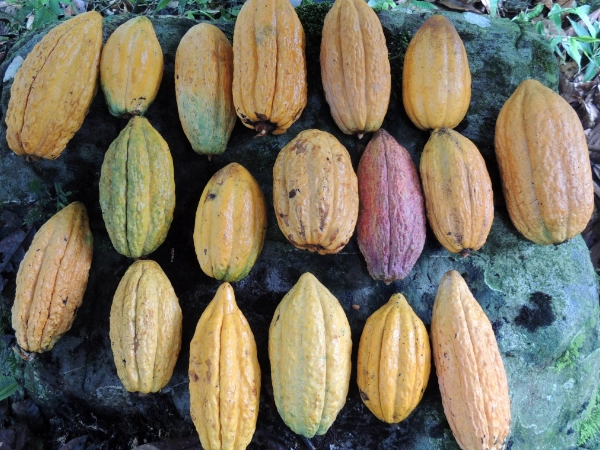
- Pod Storage Protocol: Store harvested, unopened cacao pods in a clean, shaded area for 2 to 6 days prior to cracking.
- Why It Works: Moisture evaporates and sugar concentration drops in the pulp. When fermentation begins, the reduced sugar baseline prevents harsh acid spikes, allowing enzymatic reactions to produce smoother notes of honey, malt, and caramel.
4. Adding Starter Cultures
Traditional fermentation relies on ambient wild microflora, which can introduce batch-to-batch variation. In controlled environments, adding food-grade starter cultures provides consistency:
- Aroma Boosting Yeasts: Selected yeasts rapidly break down pulp to release vibrant tropical fruit, peach, and orange blossom aromas.
- Bacillus Strains (e.g., Bacillus megaterium): Quickly break down astringent polyphenols, smoothing mouthfeel and unlocking nutty chocolate undertones early in the cycle.
5. The Cut Test Percentage (When to Conclude Fermentation)
The fermentation rate measures the percentage of beans that show full internal browning when sliced longitudinally.
Crucial Rule: Never aim for a 100% fermentation rate in specialty cacao.
- Why 100% Destroys Quality: Because piles ferment from the hot core outward, forcing 100% browning on the edges rots the center. Furthermore, total browning eliminates the purple anthocyanin pigments responsible for lively fruit acidity, flattening flavor complexity.
- Target for Vibrant Fruit & Wine Profiles: Halt fermentation when the cut test reaches 70% to 75% fully brown beans. The remaining partly-purple beans act as a sensory anchor for bright fruit notes and dynamic acidity.
- Target for Classic Cocoa & Smooth Chocolate: Halt fermentation at 80% to 85% browning. This is the sweet spot for balanced, round, and rich chocolate.
Summary Checklist for Flavor Customization
- Bright Fruit & Floral: Store pods for 3–5 days, ferment for ~96 hours, delay first turn to 48 hours.
- Smooth Caramel & Honey: Ferment for 5 days with preconditioned pods to maintain gentle acidity.
- Bold Chocolate & Nutty: Ferment for 6 days with regular turning every 24–48 hours to promote aerobic heating.
To maintain precision, never alter all variables at once—change one target parameter while keeping other variables in safe thresholds.